
Dance as a Form of Dark Ecological Thought
Some time ago, we wrote that dance could be a form of deep ecological thought.
We wrote about permeability. About listening with the whole body. About letting a world pass through a body. We still believe this. But perhaps we made the world a little too beautiful. Perhaps we chose the wind and forgot the wound? So let us take all of this again, shift the lens, and look at it from the perspective of dark ecology — arguably the most radical forms of ecological thought to date, popularised by the provocative genius Timothy Morton.
Our philosophical appetite has always progressed alongside our practice of screendance and documentary filmmaking. It would be difficult, and probably artificial, to say which one leads the other. We make films and something happens that requires thought.
Filmmaking leads us towards bodies.
|
Those bodies lead us towards questions.
|
The questions change what we film.
|
Philosophy gives us words ...
|
Practice then makes those words insufficient again.
|
Recently, we began to turn our attention towards Butoh…
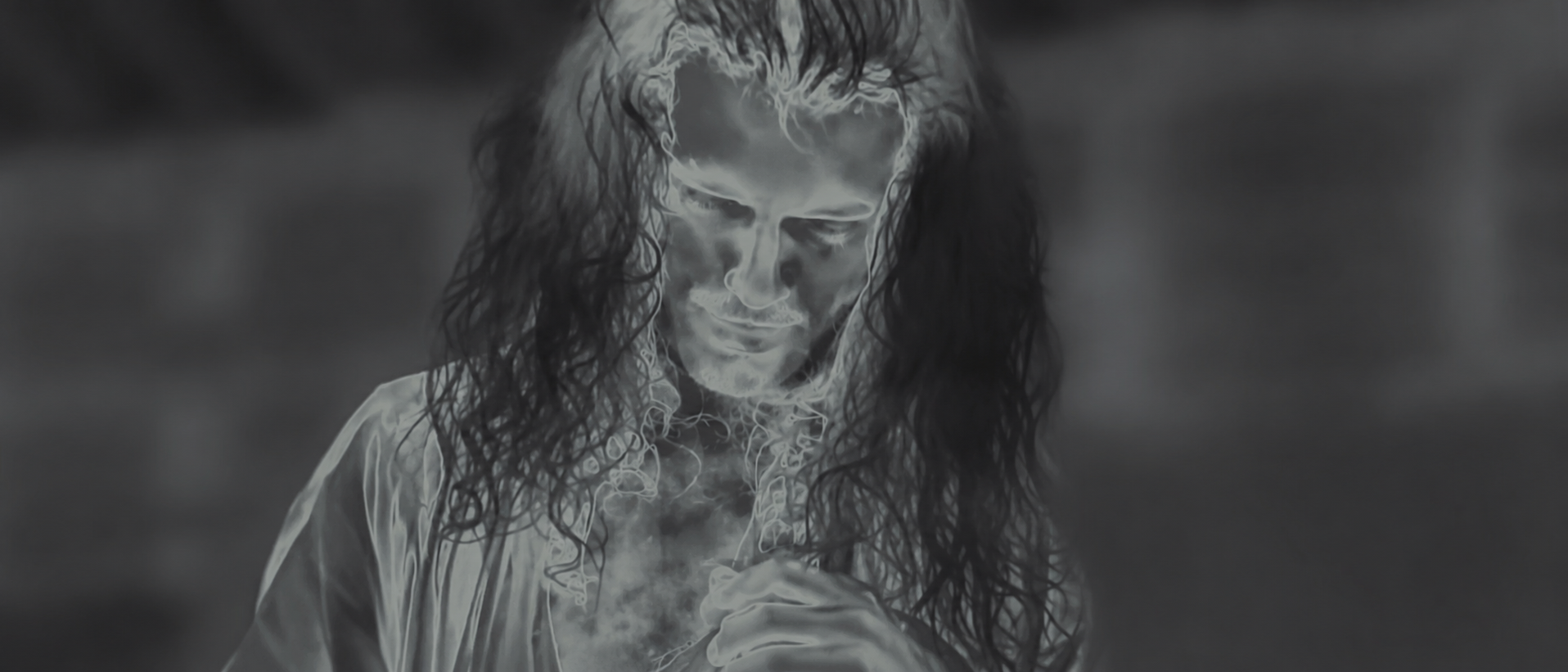
We are no longer quite sure whether this interest grew out of our acquaintance with dark ecology, or whether our encounter with Butoh made us understand something that dark ecology had been trying to tell us. It probably does not matter. What matters is what happened to the question. We had been asking how dance could make perceptible the continuity between a body and the world around it. And Butoh made the world in it suddenly… much larger.
Reading our previous text again through an ecopoetic lens, something became difficult to ignore. Nearly every relation between body and world that we described was beneficial, beautiful or enchanting…
the body listened… the world entered… the dancer responded…
And from this encounter came sensation, humility, presence, transformation. There was vulnerability too, but even vulnerability remained strangely graceful.
wind other bodies
ground
light
weather
space
All of this is real. But it is a very small part of reality. The world also enters the body as:
age fatigue shame
neoliberalism disease history
violence time decay
stress pollution
virus memory
death social norms
And an enormous part of reality enters the frame. And with it, the reassuring version of interdependence begins to break down.
If we take permeability seriously, we cannot decide in advance what will pass through us, or what it will do to us.
To have a body is to be exposed.
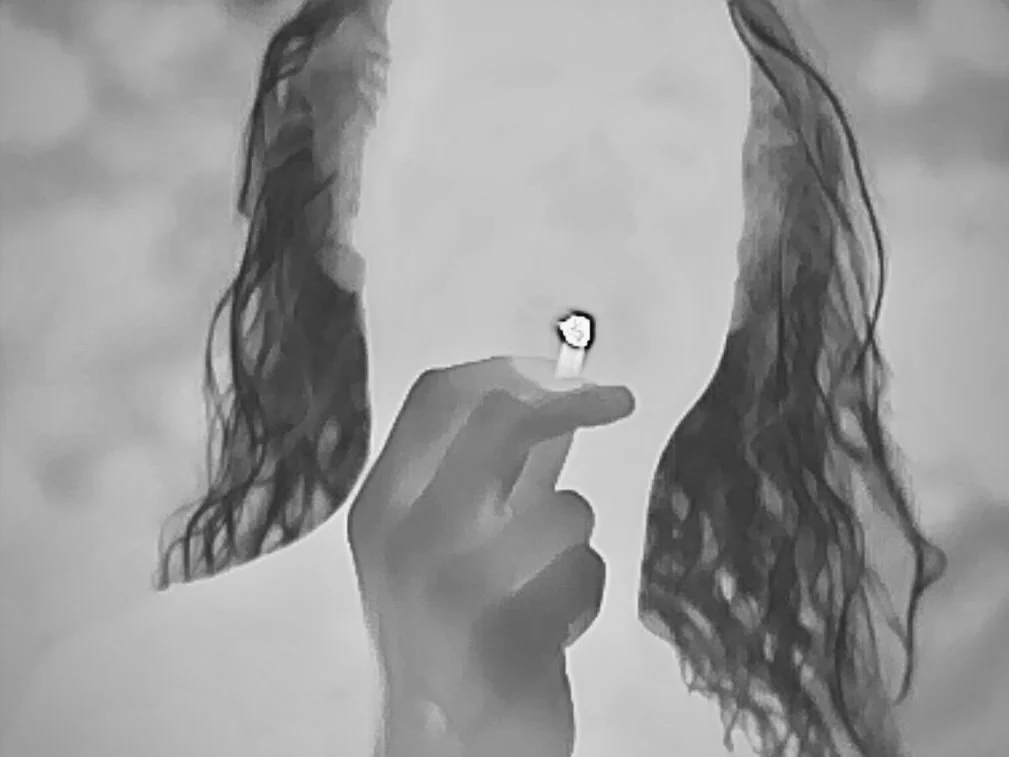
Deep ecology has taught us to question the fantasy of a separate human subject standing outside the world. Yet once that separation disappears, we inherit all the consequences of relation.
Interdependence sucks.
— Timothy Morton.
What sustains us transforms us. What touches us may nourish us, damage us, heal us, contaminate us. There is no body outside these relations. No pure interior protected from the world. Even what we experience as our most intimate interiority depends upon processes extending far beyond it. We are compromised with reality.
I-n-e-x-t-r-i-c-a-b-l-y.
And this is exactly where the dark in dark ecology begins to make sense: dark as in dark matter or dark energy, something so vast that the phenomena we are and perceive seem almost invisible within it; something that conditions a reality to which we microbes belong, while remaining largely beyond our grasp. Disorientating. We can think about it, measure parts of it, give names to what we observe and still find ourselves facing something too large, too entangled, too strange to hold as a whole.
This awareness does not extract us from the process. It makes our implication in it stranger. We are caught in a process, and we know that we are caught in it. We can accept what happens to us and hate it at the same time. We can become attached to a scar while wishing the wound had never happened. There is something dignified in this contradiction. And something painful.
Philosophy struggles with it.
Science struggles with it.
Dance can dance with it.
Art can move inside this vision of the world without having to contain it. Free of words, ephemeral, disappearing at the very moment it comes into being, dance can inhabit what cannot be fully explained. It can be deep and graceful without making the world simpler than it is.
And in every microsecond of a movement, the whole universe can take place.
And this is where our interest in dark ecology and our encounter with Butoh seem to have begun speaking to each other.
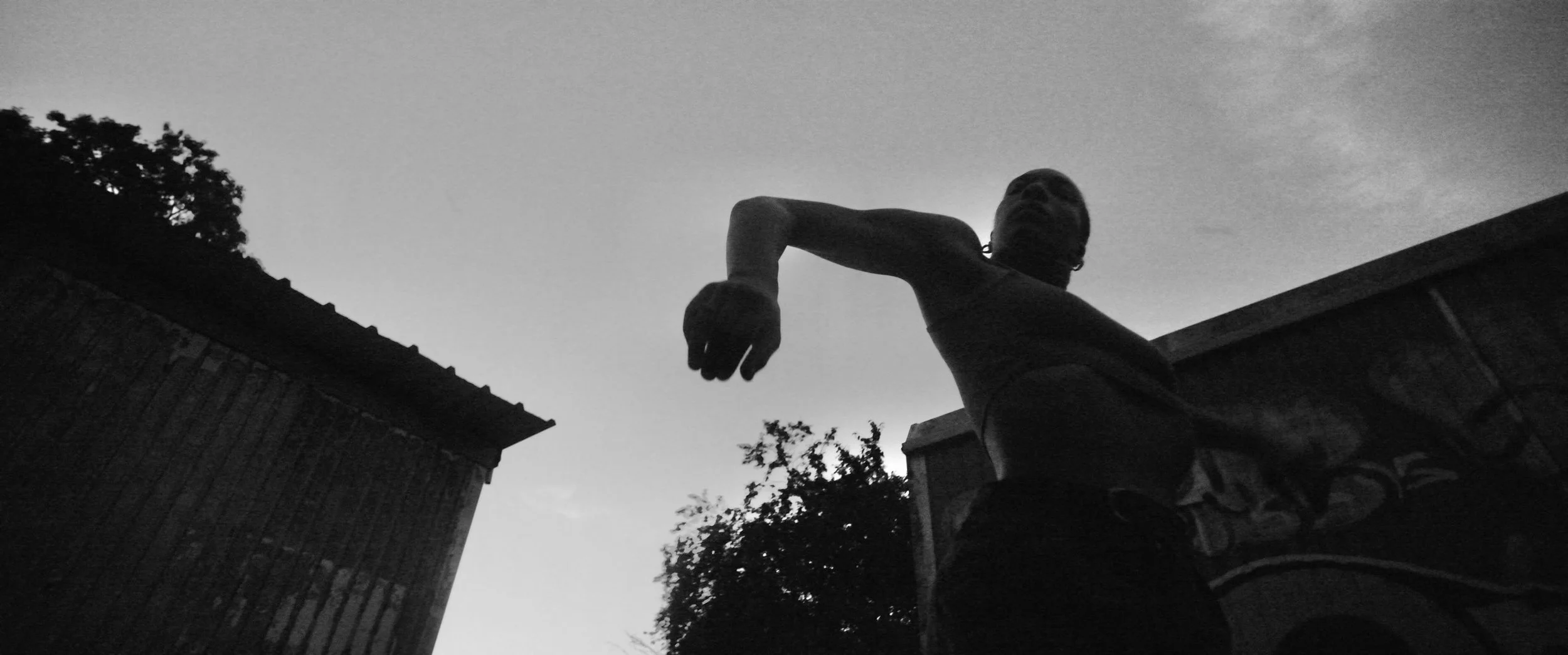
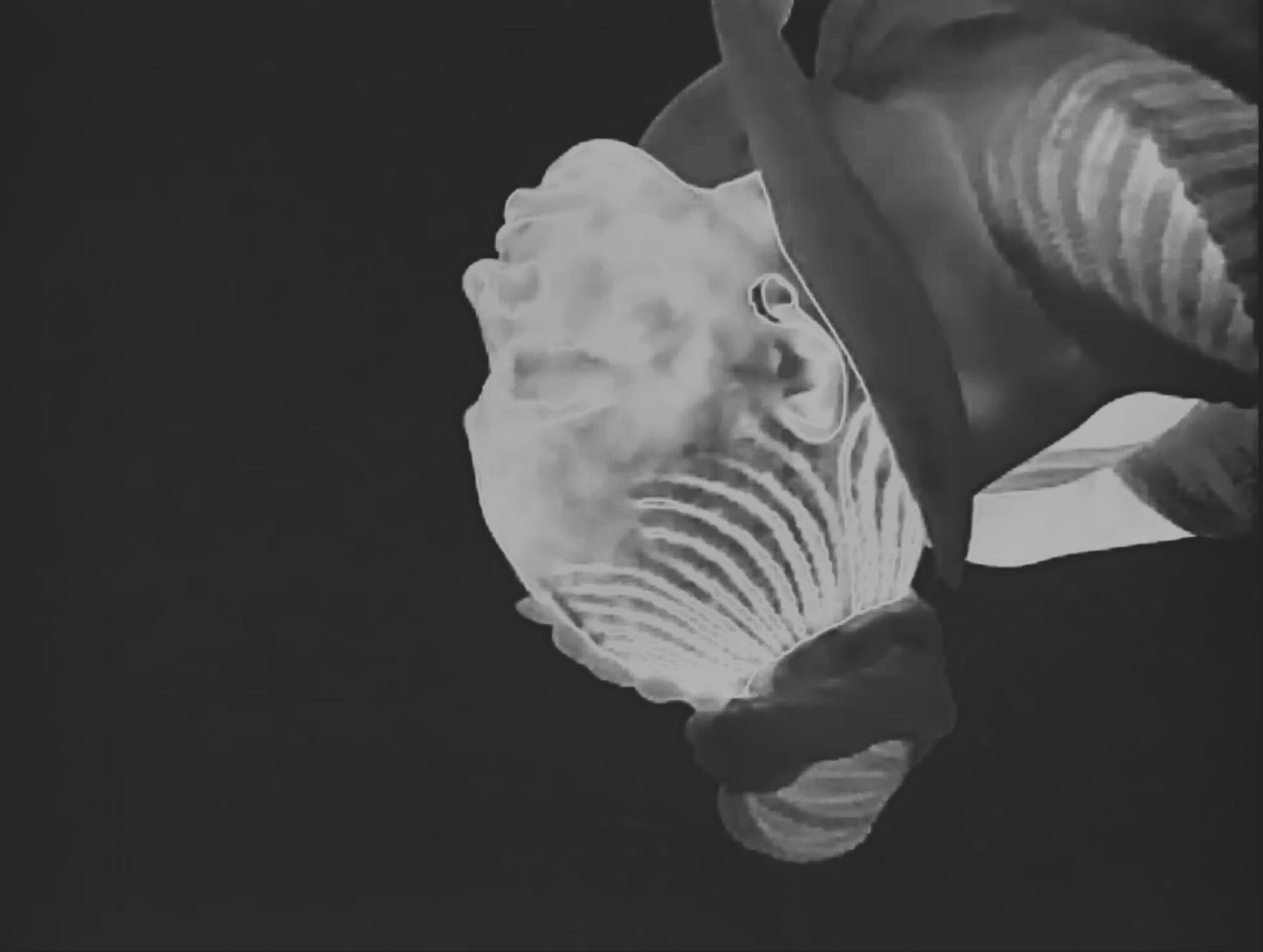
Dance celebrates what a body can do.
There is immense joy in this. The healthy, vigorous, supple body is a chance, a tremendous one. It is also a chance that is not uniformly distributed.
Bodies do not receive the same health, safety, care, food, training, freedom, attention or luck. Social conditions enter the body too. So do accidents. Genetics. Work. Access to medicine.
And however privileged or protected a body may be, time eventually enters the equation.
The strongest body cannot keep its strength forever. What can dance do when the body can no longer do everything?
Or when it never could?
This question is one of the places where Butoh has begun to disturb our understanding of dance. Once defined as a kinetic empathy, it has made us look again at the bodies we allow into our ecological imagination.
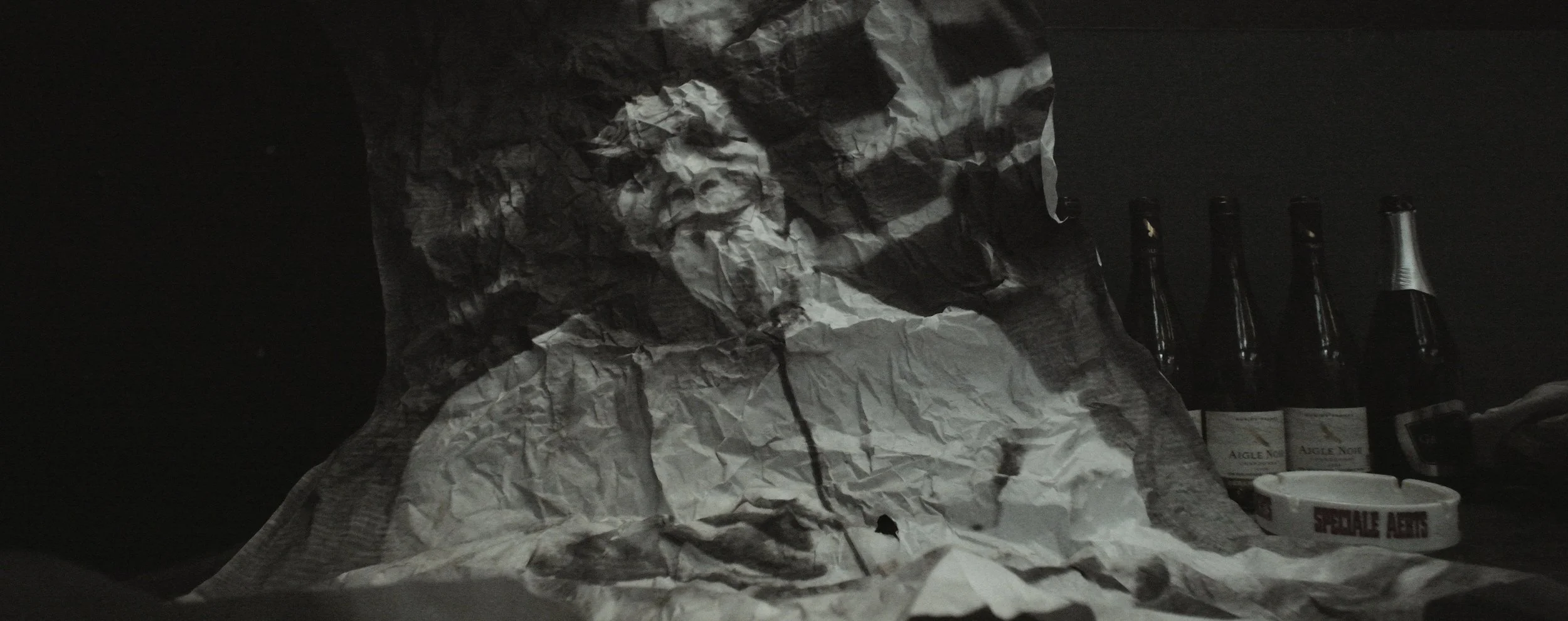
A movement can be beautiful because it is precise. It can also be beautiful because it almost fails.
There can be beauty and dignity in the way a body carries what has happened to it. That dignity may take the form of acceptance, adaptation, resistance, rage or refusal.
Sometimes the most truthful response to suffering is a cry against it.
The body can carry both.
This is where dark ecology becomes useful to us.
It pushes the idea of interdependence beyond the point where interdependence remains comforting.
If everything is entangled, we are entangled with what we love and what disgusts us, with what sustains us and what threatens us, with what we would preserve and what we would rather escape.
There is no clean ecological position from which to observe all this.
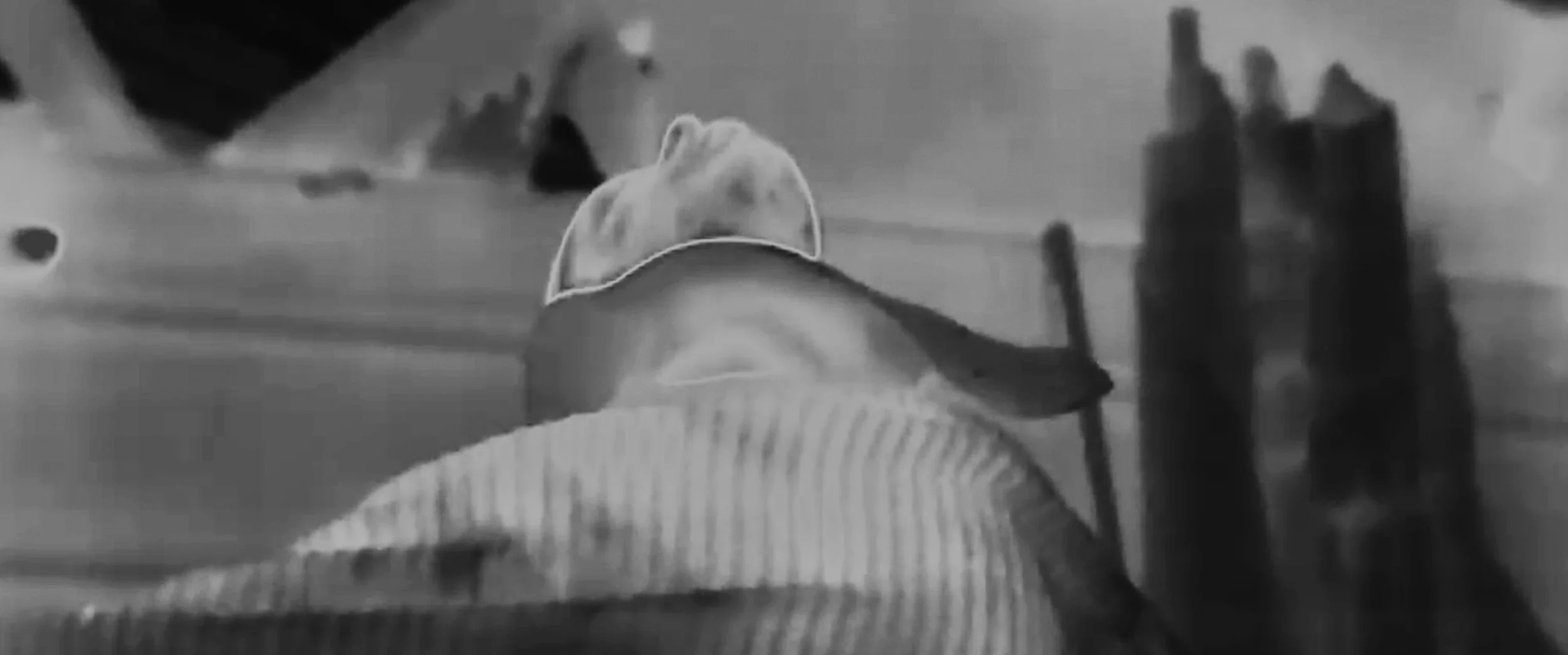
We are already inside.
Acceptance and revolt.
Pleasure and pain.
Strength and dependence.
Grace and awkwardness.
The joy of having a body,
and the impossibility of keeping it.
Imperfection.
It is how life happens.
We are interested in staying with trouble encounters for a while.
Watching what it does to our understanding of bodies.
Watching what it does to a film.
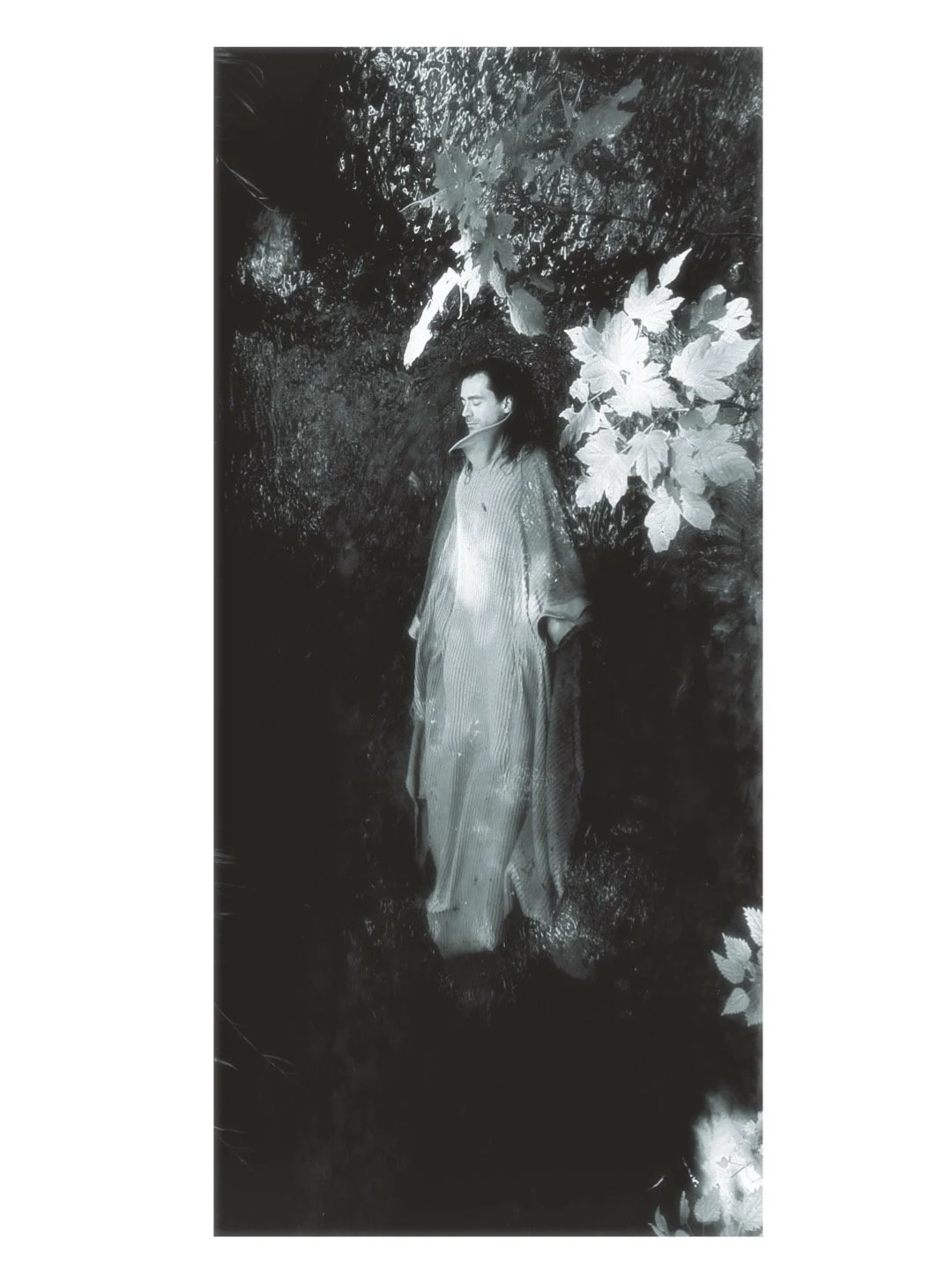
Images: Grau Torres Alba, Maya Balam Meyong (or not?) by Nicolas Van Achter & Stéphanie Paillet